Blog

  • Pet Insurance Kya Hai? Benefits & Best Companies in USA (2026 Guide)

    Pet Insurance Kya Hai? Benefits & Best Companies in USA (2026 Guide)


    Pets are more than animals — they’re family. 🐶🐱 From joyful tail wags to calming purrs, they add happiness and love to our lives every day. But what happens when your furry friend gets sick, injured, or requires unexpected medical care? That’s where pet insurance comes in.

    In this post, we will explain:

    • Pet Insurance kya Hai (What is pet insurance?)
    • Why pet insurance matters
    • Benefits of pet insurance
    • How pet insurance works
    • What it covers
    • Cost factors
    • Best pet insurance companies in the USA
    • Tips before buying pet insurance
    • FAQs for pet owners

    Let’s dive in!


    What is Pet Insurance (Pet Insurance Kya Hai)?

    Pet insurance is a type of health insurance designed to help cover veterinary expenses when your pet becomes sick, injured, or needs medical treatment.

    Just like human health insurance, pet insurance helps reduce your out-of-pocket cost for:

    • Vet visits
    • Surgeries
    • Diagnostic tests
    • Medications
    • Emergency care

    It gives pet parents peace of mind, knowing they can make the best medical decisions for their fur baby without worrying about bills.


    Why Pet Insurance Is Important

    Veterinary care has improved dramatically over the years. While this is great for pets, it often comes with high costs — sometimes thousands of dollars.

    According to the American Pet Products Association (APPA), pet owners in the U.S. spent over $136 billion on pet care in 2022, and veterinary care accounted for a large portion of that. 🐾

    Without insurance, unexpected vet bills can be financially challenging — especially during emergencies.

    Here’s why pet insurance matters:

    ✔ Helps manage high vet costs
    ✔ Encourages better health outcomes for your pet
    ✔ Provides freedom to choose treatments
    ✔ Offers financial peace of mind
    ✔ Reduces stress during emergencies


    How Pet Insurance Works

    Understanding how pet insurance works can help you choose the right plan.

    Step-by-Step Process

    1. Choose a plan
      Pick coverage based on your pet’s age, breed, and health needs.
    2. Pay your premium
      This is the monthly or annual fee you pay to keep the plan active.
    3. Visit the vet
      When your pet needs treatment, you pay the vet bill at the time of service.
    4. File a claim
      Submit the invoice to your pet insurance company.
    5. Receive reimbursement
      The insurer reimburses you a percentage of eligible costs.

    Most plans reimburse between 70% and 90% after your deductible is met.


    What Does Pet Insurance Cover?

    Coverage varies by provider and plan, but most pet insurance policies fall into these categories:

    1. Accident-Only Plans

    Covers injuries due to accidents, like:

    • Broken bones
    • Ingested foreign objects
    • Bite wounds

    Good for pet owners on a budget.

    2. Accident & Illness Plans

    Most popular choice. Includes:

    ✔ Accidents
    ✔ Illnesses (infections, cancer, digestive issues, etc.)

    This is the plan most experts recommend.

    3. Wellness or Preventive Care Add-Ons

    Optional coverage for routine care:

    • Annual checkups
    • Vaccinations
    • Flea/tick prevention
    • Dental cleanings

    Not all companies include this automatically.


    What’s Not Covered by Pet Insurance?

    Pet insurance generally does not cover:

    ❌ Pre-existing conditions
    ❌ Cosmetic procedures
    ❌ Breeding or pregnancy costs
    ❌ Routine care (unless added with wellness)
    ❌ Experimental treatments (unless specified)

    Always read the policy terms before purchasing.


    How Much Does Pet Insurance Cost?

    The cost of pet insurance varies widely depending on:

    ✔ Your pet’s age
    Breed (some breeds have more health risks)
    Location
    ✔ Coverage level
    ✔ Deductible and reimbursement percentage

    🔹 Average monthly premiums in the USA (2026 estimate):

    • Dogs: $50–$70 per month
    • Cats: $20–$40 per month

    Remember: Younger, healthier pets usually have lower premiums.


    Benefits of Pet Insurance

    Let’s break down the top benefits of enrolling in pet insurance:

    1. Financial Protection

    Vet bills can run into the thousands. Insurance protects your wallet when unexpected health issues arise.

    2. Better Care Decisions

    With coverage, you are less likely to delay treatment due to cost.

    3. Customizable Plans

    Most companies let you choose:

    ✔ Deductibles
    ✔ Reimbursement rates
    ✔ Coverage levels

    4. Peace of Mind

    Knowing your pet is covered lets you focus on recovery, not bills.

    5. Coverage for Serious Illnesses

    Many plans include cancer treatment, genetic conditions, and chronic disease care.


    Best Pet Insurance Companies in the USA (2026)

    Here’s a list of well-rated pet insurance companies in the U.S. — based on coverage, reputation, customer satisfaction, and benefits.

    Note: Clicking company links will take you to the provider’s official website for free quotes.

    1. Embrace Pet Insurance

    • 💡 Known for comprehensive coverage
    • Covers genetic & hereditary conditions
    • Optional wellness rewards program

    🔗 Visit Embrace: https://www.embracepetinsurance.com


    2. Healthy Paws

    • No annual limits
    • Simple claim process
    • Great for dogs & cats

    🔗 Visit Healthy Paws: https://www.healthypawspetinsurance.com


    3. Trupanion

    • Offers direct vet billing (in many clinics)
    • One straightforward plan
    • Lifelong coverage

    🔗 Visit Trupanion: https://trupanion.com


    4. Nationwide Pet Insurance

    • One of the oldest providers
    • Includes exotic pets
    • Multiple plan options

    🔗 Visit Nationwide: https://www.petinsurance.com


    5. ASPCA Pet Health Insurance

    • Affordable pricing
    • Covers accidents & illnesses
    • Backed by a trusted animal welfare organization

    🔗 Visit ASPCA Insurance: https://www.aspcapetinsurance.com


    6. Figo Pet Insurance

    • Excellent tech-friendly app
    • Cloud-based pet profile
    • Fast claim payouts

    🔗 Visit Figo: https://www.figopetinsurance.com


    7. Lemonade Pet Insurance

    • Transparent pricing
    • Quick digital sign-up
    • Modern customer experience

    🔗 Visit Lemonade: https://www.lemonade.com/pet


    Tips Before Buying Pet Insurance

    Choosing the right policy is key. Here are some pro tips:

    📌 1. Buy Early

    Older pets may have pre-existing conditions that aren’t covered.

    📌 2. Choose the Right Deductible

    High deductible = lower monthly cost, but more out-of-pocket for claims.

    📌 3. Check Waiting Periods

    Most policies have waiting periods before coverage begins.

    📌 4. Compare Reimbursement Rates

    Common options: 70%, 80%, 90%.

    📌 5. Read the Fine Print

    Always confirm what’s excluded, especially for:

    • Hereditary conditions
    • Breed-specific issues
    • Dental disease

    Common Misconceptions About Pet Insurance

    Let’s debunk some myths!

    ❌ “Pet insurance is too expensive.”

    👉 Truth: Monthly premiums are often less than a single emergency vet visit.

    ❌ “I don’t need insurance — I have savings.”

    👉 Truth: Insurance protects savings for major emergencies that could cost thousands.

    ❌ “My pet is indoor — no risks.”

    👉 Truth: Accidents and illnesses can happen anywhere.


    Frequently Asked Questions (FAQs)

    🐾 Q: Is pet insurance worth it?

    A: Yes — especially if you want financial protection and peace of mind for unexpected health issues.


    🐾 Q: Does pet insurance cover wellness care?

    A: Only if you buy a wellness or preventive care add-on.


    🐾 Q: When should I enroll my pet?

    A: As early as possible — before any illnesses develop.


    🐾 Q: Can claims be submitted online?

    A: Yes! Most companies let you file claims electronically.


    Final Thoughts

    Pet insurance is not just a policy — it’s protection, peace, and preparedness. It empowers you to make the best decisions for your beloved pet without worrying about overwhelming vet bills.

    Whether you have a playful pup, a cuddly kitten, or an exotic companion, pet insurance gives you confidence and financial security.

    Take time to compare plans, understand coverage, and choose a provider that meets your needs. Your pet will thank you — with purrs, kisses, and belly rubs! 🐶❤️🐱


    Useful Links

    📌 American Pet Products Association (APPA): https://www.americanpetproducts.org
    📌 Embrace Pet Insurance: https://www.embracepetinsurance.com
    📌 Healthy Paws: https://www.healthypawspetinsurance.com
    📌 Trupanion: https://trupanion.com


    pet-insurance-usa-benefits-best-companies-2026.jpg


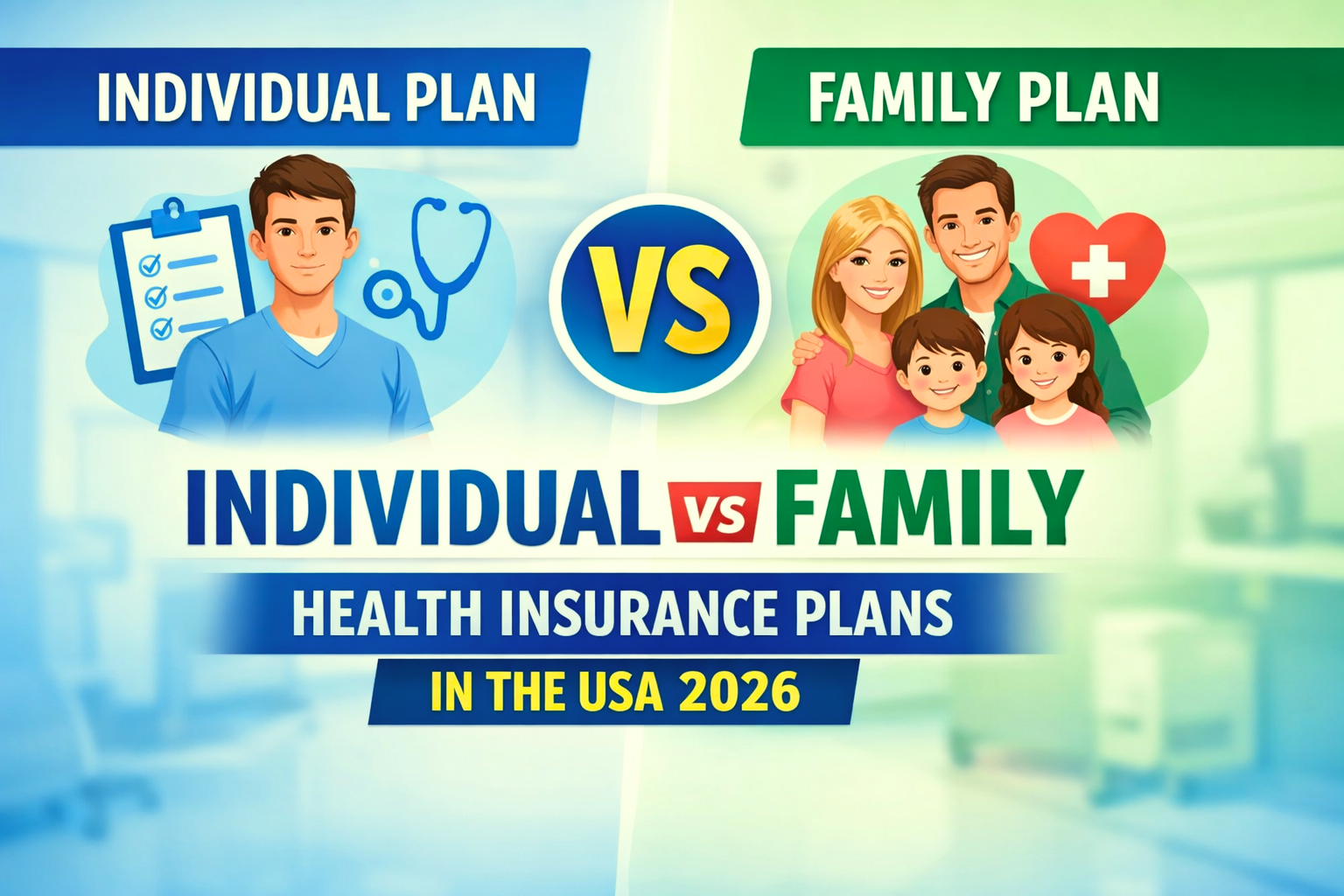
    Individual vs Family Health Insurance Plans in the USA – Complete 2026 Guide


  • Individual vs Family Health Insurance Plans in the USA – Complete 2026 Guide

    Individual vs Family Health Insurance Plans in the USA – Complete 2026 Guide


    Health insurance is no longer a luxury in the United States—it is a necessity. With healthcare costs rising every year, even a single medical emergency can cause serious financial stress. One of the most common questions people ask is:

    Should I choose an Individual Health Insurance Plan or a Family Health Insurance Plan?

    This detailed guide explains Individual vs Family Health Insurance Plans in the USA, covering costs, benefits, eligibility, advantages, disadvantages, and how to choose the right plan in 2026. This article is written in simple English, fully SEO-friendly, and copyright-free.


    Table of Contents

    1. Introduction
    2. What Is Health Insurance in the USA?
    3. What Is an Individual Health Insurance Plan?
    4. Who Should Buy Individual Health Insurance?
    5. Advantages of Individual Health Insurance Plans
    6. Disadvantages of Individual Health Insurance Plans
    7. What Is a Family Health Insurance Plan?
    8. Who Should Buy Family Health Insurance?
    9. Advantages of Family Health Insurance Plans
    10. Disadvantages of Family Health Insurance Plans
    11. Individual vs Family Health Insurance: Key Differences
    12. Cost Comparison: Individual vs Family Plans
    13. Deductibles, Copayments & Out-of-Pocket Limits
    14. ACA (Obamacare) and Marketplace Plans
    15. Tax Benefits & Subsidies
    16. How to Choose the Best Plan for Your Needs
    17. Common Mistakes to Avoid
    18. Frequently Asked Questions (FAQs)
    19. Final Conclusion

    1. Introduction

    Choosing the right health insurance plan is one of the most important financial decisions in the United States. Whether you are single, married, self-employed, or raising children, your health insurance choice affects your monthly budget, medical access, and long-term security.

    Two popular options are:

    • Individual Health Insurance Plans
    • Family Health Insurance Plans

    Each option has unique benefits and limitations. Understanding the differences helps you avoid overpaying and ensures proper medical coverage for yourself and your loved ones.


    2. What Is Health Insurance in the USA?

    Health insurance in the USA is a contract between you and an insurance company. You pay a monthly premium, and in return, the insurer covers part or all of your medical expenses, such as:

    • Doctor visits
    • Hospital stays
    • Prescription drugs
    • Preventive care
    • Emergency services

    Most health insurance plans in the U.S. follow rules set by the Affordable Care Act (ACA), also known as Obamacare.


    3. What Is an Individual Health Insurance Plan?

    An Individual Health Insurance Plan covers only one person. It is purchased by a single individual and does not include dependents.

    These plans are available through:

    • Health Insurance Marketplace (HealthCare.gov)
    • Private insurance companies
    • Insurance agents or brokers

    4. Who Should Buy Individual Health Insurance?

    Individual health insurance is ideal for:

    • Single adults
    • Freelancers and self-employed workers
    • Students not covered by parents
    • Divorced individuals
    • Early retirees
    • People without dependents

    If you are responsible only for your own healthcare costs, an individual plan is often the most flexible option.


    5. Advantages of Individual Health Insurance Plans

    1. Personalized Coverage

    You can choose coverage based on your personal health needs, such as maternity, mental health, or chronic illness care.

    2. Lower Monthly Premium

    Compared to family plans, individual plans usually have lower monthly premiums.

    3. Separate Deductibles

    Your medical expenses do not affect anyone else’s coverage.

    4. Easy Plan Management

    Managing one policy is simple—one premium, one deductible, and one out-of-pocket limit.

    5. ACA Subsidies Available

    Low- and middle-income individuals may qualify for premium tax credits under Obamacare.


    6. Disadvantages of Individual Health Insurance Plans

    1. Not Cost-Effective for Families

    Buying separate individual plans for each family member is usually expensive.

    2. No Shared Benefits

    Expenses paid by one person do not help others.

    3. Limited Household Coverage

    Spouse and children are not included.


    7. What Is a Family Health Insurance Plan?

    A Family Health Insurance Plan covers multiple members under one policy. Usually, it includes:

    • Policyholder
    • Spouse
    • Dependent children (up to age 26)

    Family plans are commonly offered through:

    • Employer-sponsored insurance
    • ACA Marketplace
    • Private insurance providers

    8. Who Should Buy Family Health Insurance?

    Family health insurance is best for:

    • Married couples
    • Parents with children
    • Families planning future medical needs
    • Households seeking cost efficiency

    9. Advantages of Family Health Insurance Plans

    1. Cost Savings

    Family plans are usually cheaper than buying multiple individual policies.

    2. Single Policy Convenience

    One premium payment and one renewal date for the entire family.

    3. Shared Deductible

    Medical expenses from any family member contribute toward the family deductible.

    4. Comprehensive Coverage

    Children, spouse, and dependents are protected under one plan.

    5. Better Long-Term Value

    Ideal for families with frequent medical needs.


    10. Disadvantages of Family Health Insurance Plans

    1. Higher Monthly Premium

    Family plans cost more per month compared to individual plans.

    2. Shared Out-of-Pocket Limit

    One family member’s medical expenses may exhaust the coverage limit.

    3. Less Flexibility

    Coverage is not customized for each individual.


    11. Individual vs Family Health Insurance: Key Differences

    FeatureIndividual PlanFamily Plan
    CoverageOne personMultiple members
    Monthly PremiumLowerHigher
    DeductibleIndividualShared + Individual
    Best ForSinglesFamilies
    Cost EfficiencyLow for familiesHigh for families
    Policy ManagementSeparateOne policy

    12. Cost Comparison: Individual vs Family Plans

    Individual Plan Cost

    • Average monthly premium: Lower
    • Ideal for single earners
    • ACA subsidies can reduce cost significantly

    Family Plan Cost

    • Higher total premium
    • Lower per-person cost
    • More economical for 2+ members

    In most cases, family plans save money when covering more than one person.


    13. Deductibles, Copayments & Out-of-Pocket Limits

    Deductible

    Amount you pay before insurance starts covering costs.

    Copayment

    Fixed amount paid for doctor visits or prescriptions.

    Out-of-Pocket Maximum

    Maximum yearly amount you pay before insurance covers 100%.

    Family plans often have both individual and family deductibles, offering flexibility.


    14. ACA (Obamacare) and Marketplace Plans

    Under the Affordable Care Act:

    • All plans must cover essential health benefits
    • No denial due to pre-existing conditions
    • Children covered until age 26
    • Subsidies available based on income

    You can compare plans on HealthCare.gov during open enrollment.


    15. Tax Benefits & Subsidies

    • Premium Tax Credits reduce monthly premiums
    • Cost-Sharing Reductions (CSR) lower deductibles
    • Health Savings Accounts (HSA) offer tax-free medical savings

    Eligibility depends on household income and family size.


    16. How to Choose the Best Plan for Your Needs

    Ask yourself:

    1. How many people need coverage?
    2. What is your monthly budget?
    3. Do you expect frequent medical visits?
    4. Do you qualify for subsidies?
    5. Are your doctors in-network?

    Choosing the right plan depends on current and future needs.


    17. Common Mistakes to Avoid

    • Choosing the cheapest plan without checking coverage
    • Ignoring deductibles and out-of-pocket limits
    • Not comparing plans annually
    • Overlooking network restrictions
    • Missing open enrollment deadlines

    18. Frequently Asked Questions (FAQs)

    Can I switch from individual to family insurance?

    Yes, during open enrollment or after a qualifying life event.

    Can children stay on parents’ insurance?

    Yes, until age 26.

    Is family insurance mandatory?

    No, but it is often cost-effective.


    19. Final Conclusion

    Choosing between Individual vs Family Health Insurance Plans in the USA depends on your life stage, family size, income, and healthcare needs.

    • Individual plans offer flexibility and lower premiums for singles.
    • Family plans provide better value and convenience for households.

    Before buying, compare plans carefully, consider ACA subsidies, and think long-term. The right health insurance plan protects not only your health—but your financial future.


    Health Insurance Marketplace USA: Complete Beginner Guide (2026)


  • Health Insurance Marketplace USA: Complete Beginner Guide (2026)

    Health Insurance Marketplace USA: Complete Beginner Guide (2026)


    Are you new to the U.S. health insurance system and confused about where to start? The Health Insurance Marketplace USA is a central hub that helps millions of Americans find and buy health insurance — even if they don’t have coverage through work. This guide will walk you through everything you need to know, from eligibility and enrollment to types of plans, costs, and expert tips to help you make an informed choice.

    🔎 Keyword focus: Health Insurance Marketplace, ACA Marketplace, Healthcare.gov, open enrollment, ACA plans, beginner guide, subsidized health insurance.


    1. What Is the Health Insurance Marketplace?

    The Health Insurance Marketplace® (also called the Marketplace or exchange) is a service operated by the federal government and state partners that helps people:

    • Compare health insurance plans
    • Find subsidies to make insurance more affordable
    • Apply for coverage
    • Enroll in a health plan that suits their needs (HHS.gov)

    In most U.S. states, the federal portal is available at HealthCare.gov, where individuals and families can shop for plans that comply with federal standards. Some states run their own marketplaces (like Covered California or New York State of Health), and Healthcare.gov links you to those when needed. (HHS.gov)

    👉 Important: Marketplace insurance is different from employer-sponsored plans, Medicaid, Medicare, or short-term health plans.


    2. Why the Marketplace Matters — Big Picture

    Before the Affordable Care Act (ACA) was signed into law in 2010, individuals buying insurance on their own often faced high costs, exclusions for pre-existing conditions, and limited coverage. The Marketplace fixed many of those issues by:

    • Allowing consumers to compare plans side-by-side
    • Providing premium tax credits and cost savings to eligible applicants
    • Standardizing coverage to ensure essential health benefits are included
    • Protecting people with pre-existing conditions (HealthCare.gov)

    Over the decade since its launch, Marketplace enrollment has grown dramatically, showing how vital it is for Americans without job-based coverage. (NCBI)


    3. Who Can Use the Marketplace?

    You can use the Marketplace if:

    • You live in the United States, and
    • You are a U.S. citizen, national, or lawfully present immigrant, and
    • You are not incarcerated. (HealthCare.gov)

    There is no strict income requirement to use the Marketplace; however, income affects whether you qualify for financial assistance. (Forbes)

    Who Else Can Use It?

    • Families who want coverage for all members
    • Self-employed workers without employer health plans
    • Young adults who lost coverage after age 26
    • Small businesses through SHOP (Small Business Health Options Program) for employee plans (HealthCare.gov)

    4. How Marketplace Enrollment Works

    a) Open Enrollment Period

    There is a specific time each year when anyone can sign up for or change Marketplace coverage. For 2026 coverage, the federal open enrollment generally runs from Nov 1 to Jan 15. (HealthCare.gov)

    • Enroll by Dec 15 → Coverage starts Jan 1
    • Enroll by Jan 15 → Coverage starts Feb 1 (HealthCare.gov)

    Some states with their own marketplaces may have slightly different dates.

    b) Special Enrollment Period (SEP)

    If you miss open enrollment, you may still qualify for a Special Enrollment Period if you experience certain life events, such as:

    • Losing health coverage
    • Getting married or divorced
    • Having or adopting a baby
    • Moving to a new ZIP code/area
    • Changes in income or household eligibility (HealthCare.gov)

    5. Step-by-Step: How to Apply

    Applying through the Marketplace involves these core steps:

    1. Create an Account

    Go to https://www.healthcare.gov (or your state marketplace site) and set up a profile with basic personal info. (HealthCare.gov)

    2. Gather Required Documents

    Typical information includes:

    • Social Security numbers or immigration status
    • Estimated 2026 household income
    • Current health insurance (if any) (GovFacts)

    3. Submit Your Application

    After entering your information, you’ll receive an “Eligibility Results” page showing:

    • Your available plans
    • Estimated premiums
    • Whether you qualify for premium tax credits or cost sharing savings (HealthCare.gov)

    4. Compare and Choose a Plan

    Marketplace plans are grouped into metal levels (Bronze, Silver, Gold, Platinum) indicating cost-sharing structure and price. (HealthCare.gov)

    5. Enroll in a Plan

    Select the plan that fits your budget and healthcare needs. Then pay your first premium to the insurance company for coverage to take effect. (HealthCare.gov)


    6. Understanding Marketplace Costs

    Health insurance through the Marketplace can include:

    📌 Premium

    The monthly amount you pay to keep your insurance active.

    📌 Deductible

    The amount you pay out-of-pocket before insurance starts covering services.

    📌 Copayments & Coinsurance

    Smaller payments when you receive care (e.g., $30 per doctor visit, or a percentage of costs). (USAGov)

    📌 Subsidies (Premium Tax Credits & Cost-Sharing Reductions)

    Many people qualify for financial help, such as:

    • Premium tax credits: Lower monthly payments
    • Cost-sharing reductions: Lower copays and deductibles

    These are based mostly on your income and household size. (Forbes)

    👉 Tip: If your income changes during the year, update your Marketplace application — it can affect your subsidy amount.


    7. Types of Marketplace Plans (Metal Levels)

    Marketplace plans are categorized by metal levels:

    Metal TierWhat It MeansBest For
    BronzeLower monthly premium but higher out-of-pocket costsPeople who rarely use healthcare
    SilverBalanced premium & cost sharingMany receive subsidies here
    GoldHigher premium, lower out-of-pocket costsFrequent medical users
    PlatinumHighest premium, lowest out-of-pocket costsVery high healthcare use

    Choosing the right metal level depends on your healthcare needs and budget.


    8. What Marketplace Plans Must Cover

    By law, all Marketplace plans must include 10 Essential Health Benefits such as:

    • Doctor visits
    • Hospital stays
    • Prescription drugs
    • Preventive services
    • Mental health and substance use services (HealthCare.gov)

    These benefits ensure more comprehensive coverage than many older, limited plans.


    9. Common Mistakes to Avoid

    ❌ Using Unofficial Websites

    Only use trusted portals like HealthCare.gov or your state’s official exchange — not random lead-generation sites. There are scams where people accidentally buy non-ACA plans that don’t offer real coverage. (TIME)

    ❌ Missing Deadlines

    Missing open enrollment could delay coverage for months unless you have a qualifying life event.

    ❌ Not Reporting Income Changes

    Failing to update your income with the Marketplace may lead to owing money back when filing taxes.


    10. Final Tips to Make Enrollment Easier

    ✅ Start early — give yourself plenty of time during open enrollment.
    ✅ Use certified navigators if you need help — they offer free assistance.
    ✅ Compare multiple plans instead of picking based on price alone.
    ✅ Always pay your first premium to activate coverage. (GovFacts)


    11. Useful Official Links


    Conclusion

    The Health Insurance Marketplace USA is your gateway to finding affordable, high-quality health insurance if you don’t get coverage through work or other public programs. By understanding eligibility, enrollment windows, costs, and plan options, you can confidently select the best plan for you and your family. Start now, compare plans, and make health insurance work for you!


    Medicare vs Medicaid: Key Differences, Benefits & Eligibility in the USA (2026 Guide)


  • Medicare vs Medicaid: Key Differences, Benefits & Eligibility in the USA (2026 Guide)

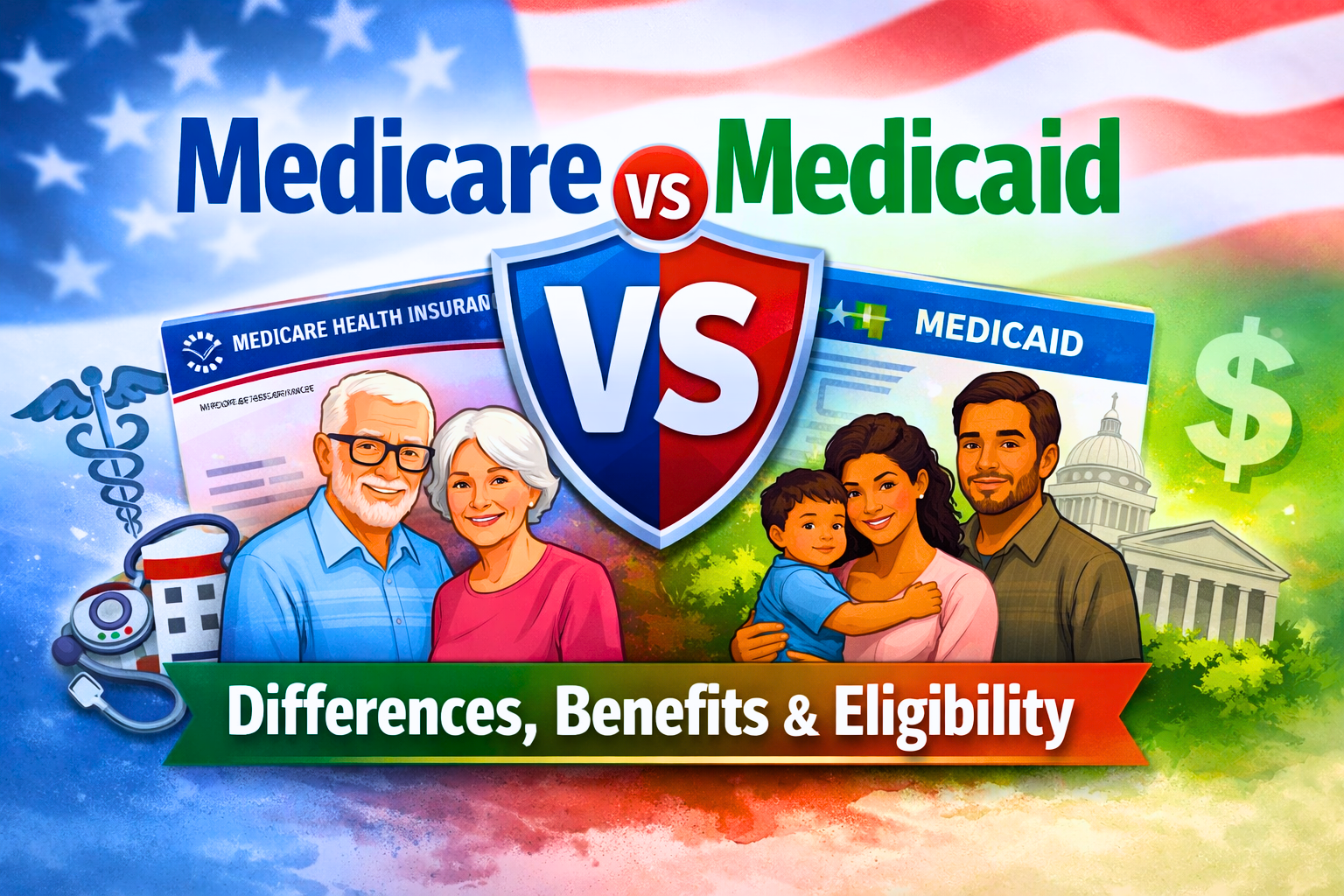
    Medicare vs Medicaid: Key Differences, Benefits & Eligibility in the USA (2026 Guide)


    Understanding the difference between Medicare and Medicaid is crucial for millions of Americans seeking healthcare coverage. These two government-sponsored programs are often confused because they both help people pay for medical care—but they serve different populations, have different eligibility requirements, and offer distinct benefits. In this comprehensive guide, we’ll break down everything you need to know about these programs so you can make informed decisions. (HHS.gov)


    1. What Are Medicare and Medicaid?

    1.1 What Is Medicare?

    Medicare is a federal health insurance program primarily designed to help people aged 65 and older, as well as younger individuals with certain disabilities or specific medical conditions. Because it’s federally operated, Medicare is the same across all states and governed by the Centers for Medicare & Medicaid Services (CMS). (HHS.gov)

    Key features:

    • Federal program
    • Same coverage and rules in every state
    • Beneficiaries typically pay premiums, deductibles, and coinsurance
    • Designed to help individuals as they age or if they have specific disabilities

    👉 Official Medicare Info: https://www.medicare.gov/ (HHS.gov)


    1.2 What Is Medicaid?

    Medicaid is a joint federal and state health coverage program for people with limited income and resources. Unlike Medicare, Medicaid is administrated individually by each state, which means eligibility rules and benefits can vary by location. (HHS.gov)

    Key features:

    • Joint federal & state program
    • Helps low-income individuals and families
    • Benefits and eligibility vary by state
    • Often includes services not covered by Medicare

    👉 Official Medicaid Info: https://www.medicaid.gov/ (HHS.gov)


    2. Medicare vs Medicaid: Key Differences

    Here’s a side-by-side look at the main areas of difference between Medicare and Medicaid:

    FeatureMedicareMedicaid
    PurposeFederal health insuranceHealth coverage for low-income individuals
    Who It ServesAge 65+ & some disabled individualsPeople of all ages with limited income
    Who Runs ItFederal governmentFederal & state partnership
    Eligibility BasisAge, disability, specific conditionsIncome, household size, other factors
    Coverage LimitsStandardized nationwideVaries by state
    CostsPremiums, deductibles, coinsuranceUsually free or low cost

    3. Eligibility Requirements

    3.1 Medicare Eligibility

    Most people become eligible for Medicare at age 65. You can qualify earlier if you:

    • Have received Social Security Disability Insurance (SSDI) for at least 24 months
    • Have End-Stage Renal Disease (ESRD)
    • Have Amyotrophic Lateral Sclerosis (ALS)

    There are no income limits for Medicare eligibility. (HHS.gov)


    3.2 Medicaid Eligibility

    Medicaid is primarily based on income and financial need. Eligibility is influenced by:

    • Household income compared to the federal poverty level (FPL)
    • Family size
    • State-specific rules (some allow coverage for adults without children; others do not)

    Many states expanded Medicaid under the Affordable Care Act (ACA), allowing adults with incomes up to ~138% of the FPL to qualify. (Healthline)


    4. What Benefits Are Covered?

    4.1 Medicare Benefits

    Medicare consists of multiple parts, each covering different services:

    • Part A: Hospital insurance
    • Part B: Medical services and outpatient care
    • Part C (Medicare Advantage): Optional plans with additional benefits
    • Part D: Prescription drug coverage

    Medicare covers inpatient and outpatient care, preventive services, and more, but generally doesn’t cover long-term care, routine dental, vision, or hearing. (HHS.gov)

    👉 Learn more about Medicare Parts: https://www.medicare.gov/basics/costs/what-part-a-part-b-part-c-and-part-d-cover (HHS.gov)


    4.2 Medicaid Benefits

    Medicaid covers essential health services and often offers additional benefits not typically covered by Medicare, such as:

    • Long-term nursing home care and home-based services
    • Dental and vision services
    • Transportation to medical appointments
    • Prenatal and maternity care

    Since states administer their own programs, coverage can vary widely between states. (Medicare)

    👉 Explore Medicaid benefits: https://www.medicaid.gov/medicaid/benefits/index.html (HHS.gov)


    5. Costs and Payment Differences

    5.1 Medicare Costs

    Medicare beneficiaries usually pay:

    • Monthly premiums (especially Part B & Part D)
    • Deductibles
    • Coinsurance or copayments

    While Part A is often premium-free if you’ve paid Medicare taxes long enough, other parts have cost-sharing responsibilities. (NerdWallet)


    5.2 Medicaid Costs

    Medicaid is designed to be low-cost or free for eligible participants. Most people don’t pay premiums, and out-of-pocket costs are usually minimal. In many states, total cost sharing cannot exceed 5% of a household’s income in a year. (Healthline)


    6. Dual Eligibility: Getting Both Medicare and Medicaid

    Some low-income individuals can qualify for both programs—this is called being “dual eligible.” In such cases:

    • Medicare pays first for covered services
    • Medicaid helps cover out-of-pocket costs, such as premiums, deductibles, coinsurance, and services Medicare doesn’t cover (like long-term care) (GovFacts)

    This coordinated coverage helps reduce healthcare costs for beneficiaries who qualify for both programs.


    7. How to Apply

    7.1 Applying for Medicare

    You can apply for Medicare:

    • Automatically through Social Security when you turn 65
    • Through the Social Security Administration (SSA) online, by phone, or in person

    Find detailed steps on the official site:
    👉 https://www.ssa.gov/medicare/ (HHS.gov)


    7.2 Applying for Medicaid

    Medicaid applications vary by state. You can:

    • Apply through your state’s Medicaid agency
    • Use the federal health insurance marketplace at Healthcare.gov

    State application links & information:
    👉 https://www.medicaid.gov/medicaid/apply/index.html (HHS.gov)


    8. FAQs (Frequently Asked Questions)

    Q1: Can I lose Medicaid if I get Medicare?
    A: No, but your coverage may change. In many cases, Medicaid will help pay Medicare’s out-of-pocket costs if you remain eligible for both. (GovFacts)

    Q2: Is Medicare better than Medicaid?
    A: “Better” depends on your situation. Medicare provides nationwide standardized coverage for seniors and certain disabled people, while Medicaid offers broader services for low-income individuals and families. (NerdWallet)

    Q3: Does Medicare cover long-term care?
    A: Typically, no. Long-term care is generally covered by Medicaid, not Medicare. (HHS.gov)


    9. Conclusion

    Both Medicare and Medicaid are vital to the U.S. healthcare system—but they serve different purposes:

    • Medicare helps older adults and certain disabled individuals access care.
    • Medicaid supports low-income households with broader benefits.

    Understanding how each program works can significantly impact your healthcare decisions, especially as you age or if you have limited income.

    For the most accurate information, always refer to the official government resources listed in this article.


    Cheap Health Insurance in USA for Low Income Families (2026 Guide)


  • Cheap Health Insurance in USA for Low Income Families (2026 Guide)

    Cheap Health Insurance in USA for Low Income Families (2026 Guide)


    💡 Cheap Health Insurance in the USA for Low-Income Families

    Health insurance is one of the most important financial protections a family in the United States can have. But for low-income families—especially those without employer coverage—the cost of health care and monthly premiums can feel overwhelming. Thankfully, there are multiple affordable and even free health insurance options available to help low-income individuals and families stay healthy without breaking the bank.

    This guide explains cheap health insurance options, eligibility requirements, cost savings strategies, and how to apply—all tailored to people with limited income who want accessible care in the USA.


    📌 What You’ll Learn in This Article

    • Why health insurance matters for low-income families
    • Government programs that provide free or low-cost coverage
    • How the Affordable Care Act (ACA) helps lower costs
    • Ways to reduce monthly premiums & out-of-pocket expenses
    • Step-by-step application tips
    • Resources, links, and FAQs

    Let’s dive in!


    🏥 Why Health Insurance Matters

    Health insurance isn’t just about doctor visits or prescriptions—it protects families from financial ruin due to unexpected illness or injury.

    Without coverage:

    • Emergency hospital bills can reach tens of thousands of dollars
    • Chronic conditions (like diabetes or high blood pressure) go untreated
    • Preventive care is delayed or skipped
    • Families face medical debt and lowered quality of life

    For low-income households, these risks are higher, especially if a serious health issue strikes. Health insurance helps spread financial risk, getting you the care you need when you need it.


    🧑‍👩‍👧‍👦 Main Cheap Insurance Options for Low-Income Families

    ✅ 1. Medicaid – Free or Very Low-Cost Coverage

    Medicaid is a federal and state health insurance program for low-income individuals, families, children, pregnant women, people with disabilities, and seniors.

    👉 It provides comprehensive coverage, often with no monthly premium and minimal out-of-pocket costs.

    💡 How It Works
    Medicaid eligibility is based primarily on household income and family size and varies by state. Some states have expanded Medicaid to cover more adults, while others have stricter rules. (HealthCare.gov)

    📌 Eligibility Tip
    Even if you think you may not qualify, you should still apply—your state may have options you don’t know about. (HealthCare.gov)

    👉 Apply directly at your state’s Medicaid agency or through the Marketplace at HealthCare.gov.

    📍 More Info:
    🔗 Learn about Medicaid & CHIP eligibilityhttps://www.healthcare.gov/medicaid-chip/getting-medicaid-chip/ (HealthCare.gov)


    🧒 2. Children’s Health Insurance Program (CHIP)

    If your income is too high for Medicaid but still limited, CHIP can help cover children under age 19.

    ✔ It offers affordable or free health insurance
    ✔ Includes doctor visits, prescriptions, dental, vision, and more

    CHIP is run by states and gives priority to families who earn too much for Medicaid but can’t afford typical private plans. (HHS)

    📍 Learn More: https://www.insurekidsnow.gov/


    🏛 3. Affordable Care Act (ACA) Marketplace Plans

    For families that don’t qualify for Medicaid or CHIP, the ACA Health Insurance Marketplace provides subsidized private health plans.

    🔎 What Are ACA Subsidies?

    The government offers premium tax credits to lower the cost of Marketplace health plans. These credits reduce how much you pay each month for coverage.

    ✔ Eligibility depends on income and household size. (KFF)
    ✔ Most people earning up to 400% of the Federal Poverty Level (FPL) can qualify for subsidies. (Insurance.com)
    ✔ Some states expanded Medicaid, which affects eligibility thresholds.

    ⚠ However, as of 2026, enhanced ACA subsidies from previous years have expired, meaning premiums are rising and tax credits are less generous than they were in prior years. This change may increase costs for many low-income families. (AP News)

    💡 Subsidies help ensure you never pay a certain percentage of your income toward premiums—but exact savings depend on income and family size.

    📍 Apply for Marketplace coverage:
    🔗 https://www.healthcare.gov/


    🩺 4. Catastrophic Plans & Other Options

    If you’re under 30 or qualify for a hardship exemption, you might be eligible for a catastrophic health plan, which has:

    • Low monthly premiums
    • High deductibles
    • Coverage for emergency and serious care

    These plans can be a temporary safety net, though they don’t cover as much routine care.


    🧠 Quick Comparison: Low-Income Health Insurance Options

    PlanBest ForCostKey Benefits
    MedicaidVery low incomeFree or very lowComprehensive care, low costs
    CHIPChildrenLow to freeIncludes dental & vision
    ACA Marketplace + SubsidiesLow-to-moderate incomeVaries after subsidyChoice of plans
    Catastrophic PlansUnder 30/ hardshipLow premiumsEmergency coverage

    💸 How to Save Money on Health Insurance

    Even after you choose a plan, there are ways to reduce costs further:

    1. Estimate Income Carefully

    Your subsidy amount is based on your projected annual income. Be accurate to avoid owing money later.

    2. Choose the Right Metal Level

    Marketplace plans come in Bronze, Silver, Gold, and Platinum tiers:

    • Bronze = lowest premiums, highest out-of-pocket
    • Silver = moderate premiums + cost-sharing reductions if eligible
    • Gold/Platinum = higher premiums, lower costs at care time

    3. Check for Cost-Sharing Reductions

    If your income qualifies, you can get lower deductibles and copayments—but you must enroll in a Silver plan. (KFF)

    4. Use Preventive Services

    Most insurance plans must cover preventive care for free, such as vaccines and annual exams.

    5. Consider Local Assistance

    Health insurance navigators and community clinics can help you apply and choose the right plan.


    📝 Step-by-Step Application Guide

    Follow these simple steps to apply for health insurance if you’re a low-income family:

    Step 1: Gather Information

    You’ll need:

    • Social Security numbers (or immigration numbers)
    • Income information (recent pay stubs or tax return)
    • Household size and address

    Step 2: Check Eligibility Before Applying

    Depending on your income:

    ✅ You may qualify for Medicaid
    ✅ You may qualify for CHIP
    ✅ You may get subsidized ACA coverage

    Step 3: Apply Through the Marketplace or State Medicaid Office

    • Visit HealthCare.gov and fill out a Marketplace application
    • Your application will show if you qualify for Medicaid, CHIP, or Marketplace subsidies

    Step 4: Compare Plans

    Look at:

    • Monthly premium
    • Deductible
    • Doctor network
    • Prescription coverage

    Step 5: Enroll!

    Enroll during the Open Enrollment Period (usually each fall, but special enrollment may apply after life changes like marriage, birth, job loss, etc.).


    🧾 Important Resources & Useful Links


    ❗ FAQs About Cheap Health Insurance

    ❓ Can I get free health insurance?

    Yes — if you qualify for Medicaid or CHIP, you may pay nothing or very little.

    ❓ What if my income is too low for ACA subsidies?

    If your state didn’t expand Medicaid and your income is extremely limited, you might fall into the Medicaid gap. If so, you should still try Medicaid and other community programs. (KFF)

    ❓ What if I can’t afford the premium even with subsidies?

    Consider:

    • Changing to a lower-cost plan
    • Using free clinics
    • Seeking help from navigators or licensed agents

    🧠 Final Thoughts

    Affordable health insurance for low-income families does exist in the USA—but it can be complex to navigate. Government programs like Medicaid and CHIP, along with ACA subsidies, are designed to make health coverage accessible and sustainable.

    With the recent expiration of enhanced premium subsidies, it’s more important than ever to apply early, know your options, and choose smartly so you don’t miss valuable savings. (AP News)

    If you’re looking to protect your family’s health and finances, start your application today—you might qualify for free or affordable coverage without even knowing it!


    Car Insurance in the USA: Complete Guide (2026)


    cheap-health-insurance-usa-low-income-families


  • Car Insurance in the USA: Complete Guide (2026)

    Car Insurance in the USA: Complete Guide (2026)


    Car insurance in the United States is not just a smart financial decision—it is a legal requirement in almost every state. Whether you are a new driver, an immigrant, a student, or a long-time resident, choosing the right auto insurance policy can save you thousands of dollars every year.

    In this detailed guide, you will learn everything about car insurance in the USA, including coverage types, top insurance companies, average costs, state requirements, and expert tips to get the cheapest car insurance legally.


    Table of Contents

    1. 🚗 What Is Car Insurance in the USA?
    2. ⚖️ Is Car Insurance Mandatory in the United States?
    3. 🧾 Types of Car Insurance Coverage
    4. 🏆 Best Car Insurance Companies in the USA
    5. 💵 Average Cost of Car Insurance in the USA
    6. 📍 State-Wise Minimum Car Insurance Requirements
    7. 👤 Car Insurance for New Drivers, Students & Immigrants
    8. 💡 How to Get Cheap Car Insurance in the USA
    9. ❓ Frequently Asked Questions
    10. 🏁 Final Thoughts

    🚗 What Is Car Insurance in the USA?

    Car insurance is a contract between you and an insurance company that protects you financially in case of an accident, theft, natural disaster, or liability. You pay a monthly or annual premium, and the insurer covers specific losses as defined in your policy.

    In the USA, car insurance mainly protects:

    • You (the driver)
    • Your vehicle
    • Other drivers, passengers, and property

    ⚖️ Is Car Insurance Mandatory in the United States?

    Yes, car insurance is mandatory in almost all U.S. states.
    Most states require at least liability insurance, which covers damages you cause to others.

    Exceptions:

    • New Hampshire – Insurance is not mandatory but financial responsibility is required.
    • Virginia – Drivers can pay an uninsured motorist fee instead of buying insurance.

    👉 Official source:
    https://www.usa.gov/car-insurance


    🧾 Types of Car Insurance Coverage in the USA

    Understanding coverage types is essential to choose the best policy.


    🔹 1. Liability Insurance (Mandatory)

    Covers:

    • Bodily injury to others
    • Property damage to others

    Does NOT cover your own car damage.


    🔹 2. Collision Coverage

    Pays for damage to your car after an accident, regardless of fault.

    Best for:

    • New cars
    • Financed or leased vehicles

    🔹 3. Comprehensive Coverage

    Covers non-collision incidents such as:

    • Theft
    • Fire
    • Flood
    • Vandalism
    • Falling objects

    🔹 4. Uninsured / Underinsured Motorist Coverage

    Protects you if the at-fault driver has no insurance or insufficient coverage.


    🔹 5. Personal Injury Protection (PIP)

    Covers:

    • Medical expenses
    • Lost wages
    • Funeral costs

    Mandatory in no-fault states like Florida and New York.


    🔹 6. Medical Payments Coverage (MedPay)

    Pays medical bills for you and passengers regardless of fault.


    🏆 Best Car Insurance Companies in the USA (2025–2026)

    Here are some of the top-rated and trusted auto insurance companies in the USA:


    1. GEICO

    • Affordable premiums
    • Excellent for young drivers
    • Easy online quotes

    👉 https://www.geico.com


    2. State Farm

    • Largest auto insurer in the USA
    • Strong local agent network
    • Best for families

    👉 https://www.statefarm.com


    3. Progressive

    • Known for comparison tools
    • Best for high-risk drivers
    • Usage-based insurance (Snapshot)

    👉 https://www.progressive.com


    4. Allstate

    • Many discounts available
    • Accident forgiveness option

    👉 https://www.allstate.com


    5. USAA

    • Best for military members and families
    • Lowest complaint ratio
    • Excellent customer satisfaction

    👉 https://www.usaa.com


    💵 Average Cost of Car Insurance in the USA

    The cost of car insurance depends on several factors like age, location, driving history, and vehicle type.

    💲 National Average (Approx.)

    • Minimum coverage: $600 – $900 per year
    • Full coverage: $1,800 – $2,500 per year

    📊 Factors Affecting Car Insurance Cost

    • Age & gender
    • Driving record
    • Credit score (in many states)
    • Car model & safety rating
    • ZIP code

    📍 State-Wise Minimum Car Insurance Requirements

    Each state has its own minimum requirements.

    Examples:

    • California: 15/30/5
    • Texas: 30/60/25
    • Florida: PIP + Property Damage
    • New York: Liability + PIP + Uninsured Motorist

    👉 Official state requirements:
    https://www.iii.org/automobile-financial-responsibility-laws-by-state


    👤 Car Insurance for New Drivers, Students & Immigrants

    🚘 New Drivers

    • Higher premiums due to lack of history
    • Best companies: GEICO, State Farm

    🎓 Students

    • Good student discounts available
    • Can save up to 25%

    🌍 Immigrants / New Residents

    • International driving history may help
    • Some insurers accept foreign licenses initially

    💡 How to Get Cheap Car Insurance in the USA

    Here are proven ways to reduce your premium legally:

    ✔️ Compare Quotes

    Always compare at least 3–5 companies.

    ✔️ Increase Deductible

    Higher deductible = lower premium.

    ✔️ Use Discounts

    • Safe driver
    • Multi-policy
    • Anti-theft
    • Low mileage

    ✔️ Maintain Good Credit

    Better credit often means lower insurance cost.

    ✔️ Choose the Right Car

    Cars with high safety ratings are cheaper to insure.


    Frequently Asked Questions (FAQs)

    ❓ Is full coverage car insurance mandatory?

    No, but lenders require it if your car is financed or leased.

    ❓ Can I drive without insurance in the USA?

    No. You can face heavy fines, license suspension, or jail time.

    ❓ Which car insurance is best for low income?

    GEICO, Progressive, and state-based programs are good options.


    🏁 Final Thoughts

    Car insurance in the USA is essential for legal compliance, financial protection, and peace of mind. With rising repair and medical costs, having the right coverage is more important than ever.

    By understanding coverage types, comparing providers, and using discounts wisely, you can find affordable and reliable car insurance that fits your needs perfectly.


    📌 Bonus SEO Tip

    Use keywords like:

    • cheap car insurance USA
    • best auto insurance companies
    • car insurance quotes online
    • minimum car insurance requirements

    Best Health Insurance Plans in the USA (2026 Guide)


  • Best Health Insurance Plans in the USA (2026 Guide)

    Best Health Insurance Plans in the USA (2026 Guide)


    Health insurance in the United States continues to evolve in 2026, shaped by rising healthcare costs, federal policies, and consumer demand for better quality and access. Choosing the right health insurance plan is critical for individuals, families, and seniors — whether you’re enrolling through the Affordable Care Act (ACA) Marketplace, employer benefits, Medicare, or Medicaid.

    In this ultimate 2026 guide, we’ll break down the best health insurance companies and plans, explain key coverage types, average costs, and provide practical tips to help you make the best decision.


    Table of Contents

    1. 🩺 Why Health Insurance Matters in 2026
    2. 🏆 Top Health Insurance Companies in the USA (2026)
      • UnitedHealthcare
      • Blue Cross Blue Shield (BCBS)
      • Kaiser Permanente
      • Aetna
      • Cigna
      • Molina Healthcare
      • Oscar Health
      • Ambetter Health
      • Humana (Medicare focus)
      • Others
    3. 📊 Health Insurance Plan Types Explained
      • ACA Marketplace Plans
      • Employer-Sponsored Plans
      • Medicare & Medicare Advantage
      • Medicaid
      • Short-Term & Catastrophic Plans
    4. 💵 2026 Health Insurance Cost Overview
    5. 🧠 How to Choose the Best Plan for You
    6. 📌 Important Tips & FAQs

    🩺 Why Health Insurance Matters in 2026

    Healthcare costs in the USA continue to rise sharply — with average premiums increasing year after year. According to recent industry data, ACA Marketplace premiums are expected to rise roughly 20% nationally in 2026, with some states experiencing even steeper increases. (Reddit)

    Without health insurance, a single unexpected medical event can lead to tens of thousands of dollars in bills. Insurance not only reduces financial risk but also promotes preventive care and access to quality services.


    🏆 Top Health Insurance Companies in the USA (2026)

    Here’s our curated list of leading health insurance providers you should consider when enrolling in 2026. Rankings are based on coverage, network size, customer satisfaction, affordability, and plan diversity.


    1. UnitedHealthcare

    UnitedHealthcare is consistently ranked as one of the largest and most comprehensive health insurers in the country, with a massive provider network and strong support tools. It offers individual, family, employer-sponsored, and Medicare Advantage plans.

    • Best For: Nationwide coverage, employer plans, advanced tools
    • Strengths: Extensive network, telehealth services
    • Notes for 2026: UnitedHealth expects most of its Medicare members in high-rated plans. (Reuters)

    2. Blue Cross Blue Shield (BCBS)

    Blue Cross Blue Shield companies operate through local affiliates in all 50 states, making BCBS ideal for virtually every U.S. resident.

    • Best For: Nationwide & global coverage
    • Strengths: Large network, comprehensive benefits, travel coverage
    • Network Size: More than 1.7 million providers nationwide
    • Premiums tend to vary widely depending on state and plan type. (Policy Insight)

    3. Kaiser Permanente

    Kaiser is unique because it integrates insurance with its own healthcare facilities and providers — offering seamless care and preventive focus.

    • Best For: Integrated care and low out-of-pocket costs
    • Strengths: High customer satisfaction, strong preventive care
    • Coverage: Available in select states (e.g., CA, OR, WA, CO)
    • 2026 Insight: Rated as one of the lowest cost options among major carriers. (Forbes)

    4. Aetna (CVS Health)

    Aetna, part of CVS Health, builds strength from integrating pharmacy benefits and wellness programs — appealing to many who want cost savings on prescriptions.

    • Best For: Affordable premiums and CVS integration
    • Strengths: Large network, wellness incentives
    • Ideal For: Individuals and families balancing cost and benefits (Policy Insight)

    5. Cigna

    Cigna is ideal for people who travel frequently or require international coverage due to its global reach.

    • Best For: International coverage and mental health benefits
    • Strengths: Extensive virtual care and wellness programs
    • Good For: Expats, frequent travelers, seniors (Policy Insight)

    6. Molina Healthcare

    Molina focuses on government-supported programs like Medicaid and Dual Eligible Special Needs Plans (for Medicare and Medicaid beneficiaries).

    • Best For: Low-income individuals and Medicaid enrollees
    • Strengths: Affordable pricing and essential coverage (Policy Insight)

    7. Oscar Health

    Oscar is a digital-first insurer known for strong telemedicine support and user-friendly platforms.

    • Best For: Tech-savvy users and telehealth services
    • Strengths: Mobile app, 24/7 care access (Jansewa News)

    8. Ambetter Health

    Ambetter specializes in value-driven ACA Marketplace plans with wellness incentives.

    • Best For: Affordable ACA plans
    • Strengths: Rewards programs, tools for preventive care (The Tax Heaven)

    9. Humana (Medicare Focus)

    Humana is best known for Medicare Advantage plans tailored to seniors with robust extras like prescription drug coverage and fitness benefits.


    Other Notable Plans

    • Anthem Blue Cross Blue Shield: Strong regional networks
    • Centene (Ambetter/Molina): Focus on ACA and Medicaid
    • SCAN Health Plan: Highly rated Medicare options in select states (Wikipedia)

    📊 Health Insurance Plan Types Explained

    Understanding the types of plans available is key to picking the right one:


    🏛️ 1. ACA Marketplace Plans (Affordable Care Act)

    These individual plans are sold on HealthCare.gov or state exchanges. They are categorized into Bronze, Silver, Gold, and Platinum tiers based on how costs are shared between insurer and insured.

    • Bronze: Low monthly premium, high out-of-pocket cost
    • Silver: Balanced cost, often best for subsidies
    • Gold: Higher premiums, lower out-of-pocket
    • Platinum: Highest cost share by insurer

    2026 Prices: Median marketplace premiums continue to climb — with significant year-to-year increases in many states. (Reddit)


    🧑‍💼 2. Employer-Sponsored Plans

    Provided by employers to employees and families, these plans vary widely in coverage and cost sharing. According to recent surveys, the average annual premium for self-only coverage was over $9,300 in 2025, and employer plans continue to grow more expensive. (KFF)


    👴 3. Medicare & Medicare Advantage

    Medicare serves most Americans age 65+ or with qualifying disabilities. Medicare Advantage plans are offered by private insurers approved by Medicare and often include prescription drug coverage (Part D).

    Plans are rated each year based on quality, and top carriers tend to attract more members. (Reuters)


    🧑‍⚕️ 4. Medicaid

    Medicaid is a state-administered program offering free or low-cost health insurance to eligible low-income adults, children, and pregnant women.


    5. Short-Term & Catastrophic Plans

    These budget plans are temporary and designed to cover extreme events, not comprehensive care.


    💵 2026 Health Insurance Cost Overview

    Health insurance cost varies by age, location, plan tier, and subsidies. While specific 2026 nationwide averages vary, the trend shows:

    • ACA Marketplace Average Premiums: Higher than 2025 with state variation; many consumers will pay more without enhanced subsidies. (Reddit)
    • Employer Plans: Average annual premiums for single and family coverage are in the thousands of dollars. (KFF)

    Premiums generally increase with age, and plans with richer coverage have higher monthly costs.


    🧠 How to Choose the Best Plan for You

    Choosing health insurance requires balancing cost and coverage. Here’s how:

    ✔️ 1. Assess Your Health Needs

    • Do you need regular prescriptions?
    • Are specialists required?
    • Do you visit doctors often?

    ✔️ 2. Check Provider Networks

    Large networks reduce out-of-pocket costs and give more options.

    ✔️ 3. Review Plan Tiers

    Consider Bronze for minimal coverage or Silver/Gold for more benefits.

    ✔️ 4. Consider Subsidies

    Tax credits can significantly lower premiums — check eligibility at HealthCare.gov.

    ✔️ 5. Compare Out-of-Pocket Costs

    Check deductibles, copays, and maximum out-of-pocket limits.


    📌 Helpful Links

    • HealthCare.gov: Official ACA Marketplace enrollment resource
    • Medicare.gov: Medicare plan finder
    • State health insurance marketplaces

    Final Thoughts

    Choosing the best health insurance plan in 2026 means understanding your healthcare needs, financial situation, and available plan benefits. From nationwide carriers like Blue Cross Blue Shield and UnitedHealthcare to integrated systems like Kaiser Permanente, there’s a plan for every type of consumer.

    With rising premiums and shifting subsidies, it’s more important than ever to compare rates, explore subsidy eligibility, and pick a plan that protects both your health and finances.


  • Hello world!

    Welcome to WordPress. This is your first post. Edit or delete it, then start writing!